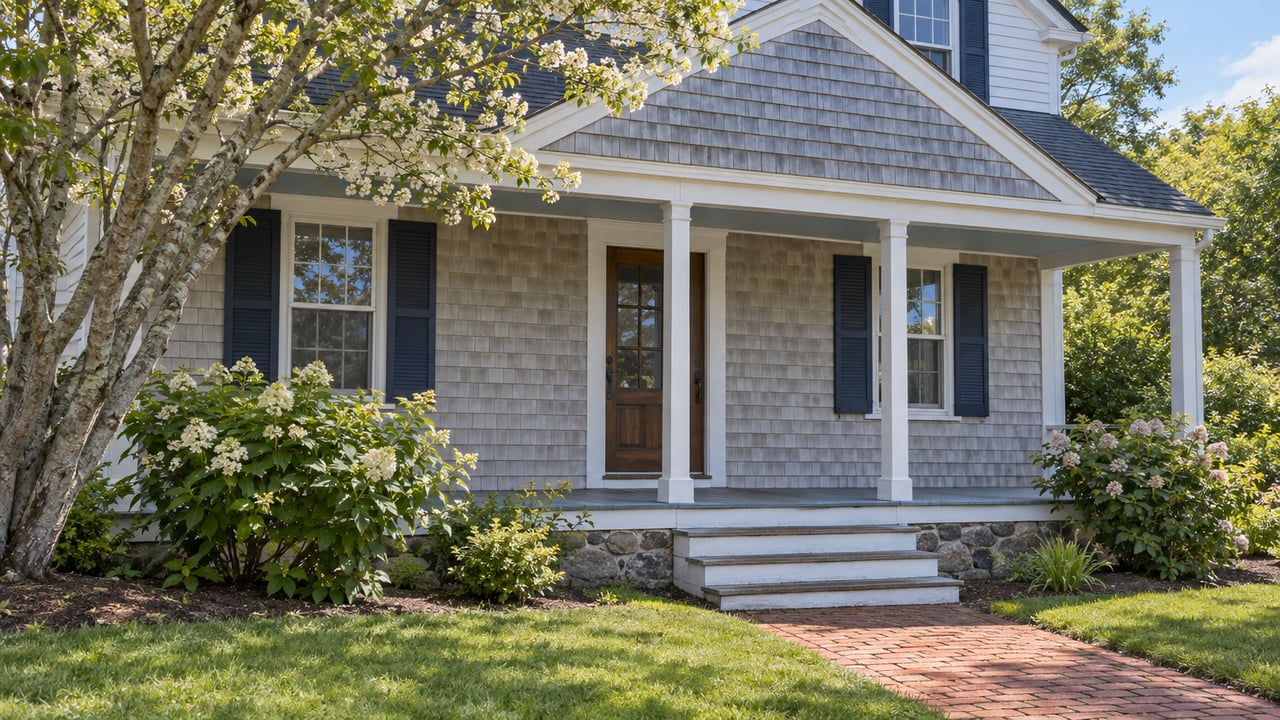
Buyers comparing Harbor Country towns keep hearing the same thing about Three Oaks: drive five minutes inland from New Buffalo or Sawyer and the price tag drops. That's the pitch on more than one listing page, and for years it held up. What most of those pages don't mention is a permit rule the Three Oaks Village Council passed back in March 2023, one that quietly capped how much of the town's housing stock could be converted into short-term rentals. That cap is still in force. It's a big part of why the old "bargain inland town" math doesn't compute the way it used to.
Here's the mechanism. In March 2023, the Village Council amended its short-term rental ordinance to bar new STR registrations in the R-1 Single-Family Residential District once the number of active permits reached 10 percent of developed parcels in that district. By the time the ordinance passed, the village already had close to 70 STR permits on the books in that district, well over the new 10 percent threshold. That meant the door for new investor-owned short-term rentals inside village limits closed almost the moment the rule took effect, with a waitlist standing in for open registration. The village's code of ordinances, current as of an October 2025 update, still carries that same cap. Three and a half years later, it hasn't been lifted.
What the cap actually changed
Before that ordinance, an investor could buy an aging farmhouse near downtown Three Oaks, register it as a short-term rental, and compete for guests drawn by the Vickers Theatre, the Acorn Theater, and the town's distillery and gallery scene, all without needing to be five minutes from open water. That kind of demand kept a certain tier of the market moving: modest, older homes that would otherwise sit for a buyer looking for a primary residence instead got bid up by people running the numbers on nightly rates.
The 2023 cap didn't eliminate that demand. It rerouted it. Property listings for parcels just outside the village line, in the surrounding township, still advertise that short-term rental use is allowed there under different rules. So the practical line for an investor now runs along the village boundary, not along the distance-from-the-lake gradient that used to explain Harbor Country pricing. Two properties a quarter mile apart, one inside Three Oaks village and one just outside it, can face genuinely different rules about what an owner is allowed to do with the place.
For a buyer who wants to run a rental, that boundary is worth confirming with the township or village office before writing an offer, not after. For a buyer who wants a quiet primary residence and has no interest in hosting guests, it cuts the other way: homes inside the village, where STR competition is capped, are less likely to see an investor bidding against a homeowner for the same listing.
The old bargain number doesn't match this year's numbers
Some marketing copy for Three Oaks still describes the town's homes as falling in the $150,000 to $300,000 range, the kind of figure that made the inland alternative sound like an obvious discount. That range hasn't tracked with what the market has actually done this year. Recent listing data from this summer puts the average home value in Three Oaks well above $345,000, up more than 13 percent over the past twelve months, and current listings have carried a median asking price above $400,000. A separate market snapshot from July put the average list price above $420,000.
None of these figures line up neatly with each other, and that's worth sitting with rather than smoothing over. Three Oaks is a small market. A single high-end listing, like a lakefront-adjacent property near Harbert Road that listed above $1.3 million, or one estate sale on several acres, can swing a median or an average by tens of thousands of dollars in a given month. That volatility cuts both ways: a buyer who sees a dip in the per-square-foot figure one month shouldn't assume the market softened, and a buyer who sees a spike shouldn't assume it's now priced like the lakefront. The honest read is that the old flat "under $300,000" framing is stale, and the current figures, wherever they land in a given month, sit meaningfully above it.
Why price per square foot from New Buffalo doesn't translate
Buyers who've already looked at listings in New Buffalo know the going rate there has run above $350 per square foot this year. It's tempting to hold Three Oaks up against that number directly and call the gap a discount. The comparison breaks down once you look at what's actually being measured.
Three Oaks homes run smaller than the Berrien County average, roughly 1,800 square feet against a county figure closer to 2,150, and a meaningful share of the village's housing stock is close to a century old. A 1930s farmhouse on a village lot and a newer post-modern build with lake frontage aren't the same product measured at two different price points. They're different products. Age, lot size, foundation type, and proximity to water all move independently of square footage, and in Three Oaks the age and lot variables do a lot of the work that distance from the lake gets credit for.
A buyer who wants an apples-to-apples read on value in Three Oaks is better served asking about the age of the roof, foundation, and mechanicals on a specific parcel than about the town's average price per square foot. That number tells you less than it looks like it tells you.
The line that matters more than the mile marker
Three Oaks sits about five miles inland from Lake Michigan and roughly 75 miles from downtown Chicago, close enough to pull from the same weekend-home buyer pool as the lakefront towns without commanding lakefront prices. That distance has been the standard explanation for why Three Oaks costs less than New Buffalo or Union Pier, and it's still true as far as it goes.
But distance from the lake was never the only thing setting Three Oaks apart from its lakefront neighbors, and it's no longer the most useful thing for a buyer to check. The village-versus-township line now carries real weight for anyone whose plans involve renting the property out, and the age and size of the housing stock carry real weight for anyone comparing sticker prices across towns. A buyer who treats "how far from the water" as the whole story is missing the two variables that are actually moving the numbers this year.
A few straight answers
Is Three Oaks still less expensive than the lakefront towns in Harbor Country? On a per-home basis, yes, this summer's figures for Three Oaks still sit below what homes are fetching in New Buffalo. The gap is narrower than the older marketing range suggested, and it shrinks further once you adjust for the smaller average square footage of Three Oaks homes rather than comparing raw price tags.
Can I get a short-term rental permit in Three Oaks village right now? New registrations in the village's R-1 district have been effectively on hold since 2023, when active permits already exceeded the 10 percent cap on developed parcels. A waitlist stands in for open applications until the number of active permits drops. Outside the village limits, in the surrounding township, short-term rental use is generally allowed under a different set of rules, which is why the same search radius can turn up very different answers depending on which side of a boundary a parcel sits on.
If you're weighing a purchase in Three Oaks against something closer to the water, the parcel's zoning and village status will tell you more about what you can actually do with the property than its distance from the lake will. I'd rather walk through that with you before you write an offer than after. Reach out to Joy Schwarting to talk through a specific address and what its rules actually allow.